Crisis in Gaza: What to know and how to help
Over 50,000 Palestinians have been killed in Gaza, according to OCHA, which bases its figures on the Gaza Ministry of Health statistics, and more than 125,000 injured since October 7, 2023. Israeli forces began airstrikes and ground operations after Hamas and other armed groups launched a deadly ground incursion and rocket barrage on southern Israel. Reportedly, 58 of the over 200 hostages taken by Hamas are still held in Gaza.
More than a year and a half of conflict has left over two million Palestinians, half of whom are children, without access to sufficient water, food or medical care. A severe humanitarian crisis has taken hold in Gaza.
The Humanitarian Rescue Initiative (HRI) is calling on all parties to uphold international humanitarian law, protect civilians and critical infrastructure, and immediately scale up the delivery of humanitarian aid in Gaza. From a humanitarian perspective, a ceasefire is the best way to fully protect Palestinian lives, secure the release of hostages and enable the safe delivery of humanitarian aid.
Our staff have witnessed catastrophic conditions firsthand and continue to deliver vital aid in Gaza—including clean water, cash, early childhood education, protection—despite harrowing safety concerns.
War has caused mass destruction in Gaza
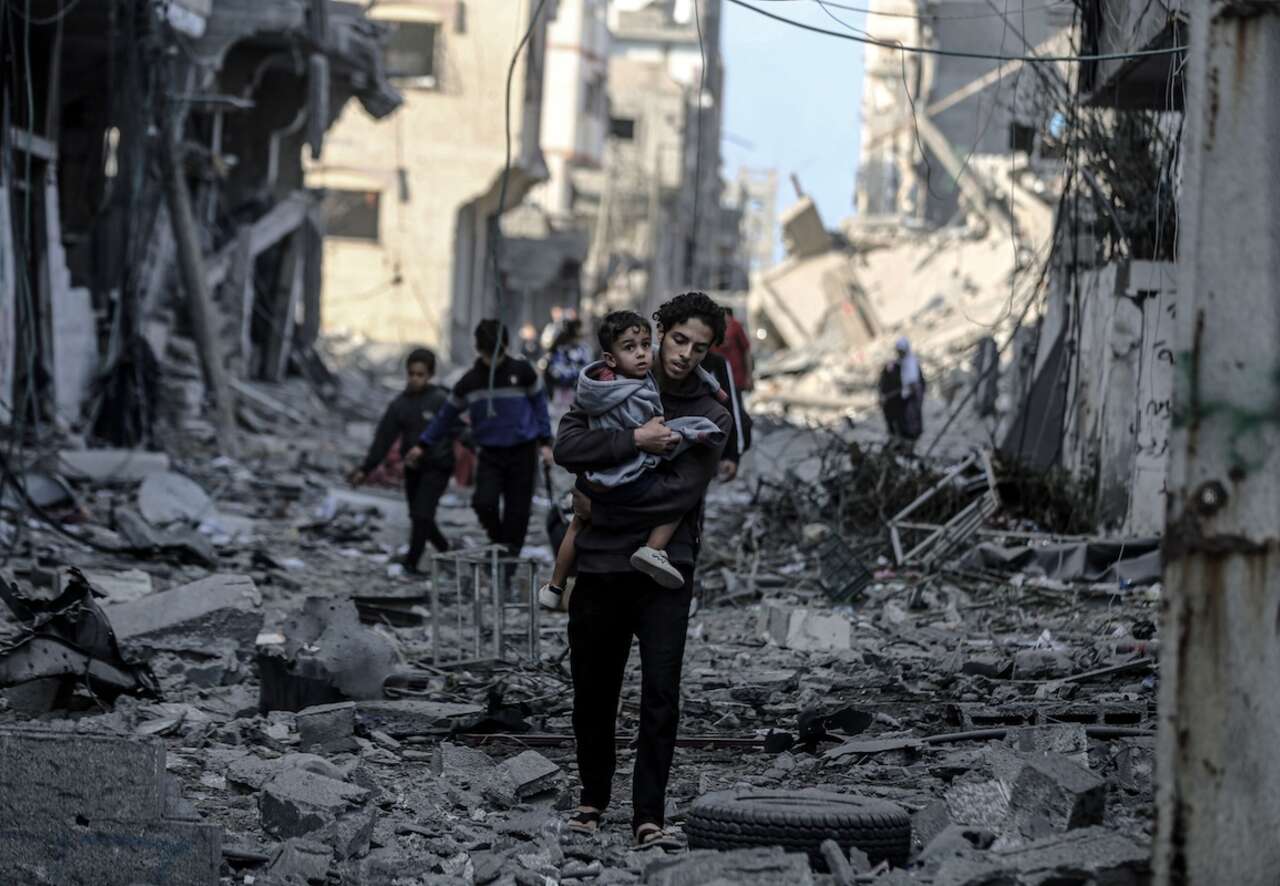
More than 20 months of war have left Gaza in ruin. Israeli airstrikes, bombing and ground-level fighting between Israel and Hamas have killed over 50,000 Palestinians according to OCHA, destroyed critical infrastructure, including homes, hospitals, schools, shelters, religious sites and essential services like bakeries. With no place safe across the whole of Gaza, Palestinians are being pushed to the edge of survival, struggling to access food, clean water and life-saving medical services.
Over 90% of homes in Gaza have been damaged or destroyed, leaving the majority of Palestinians without a permanent and safe place to live. People are seeking refuge in tents or makeshift shelters that fail to provide safety or dignity.
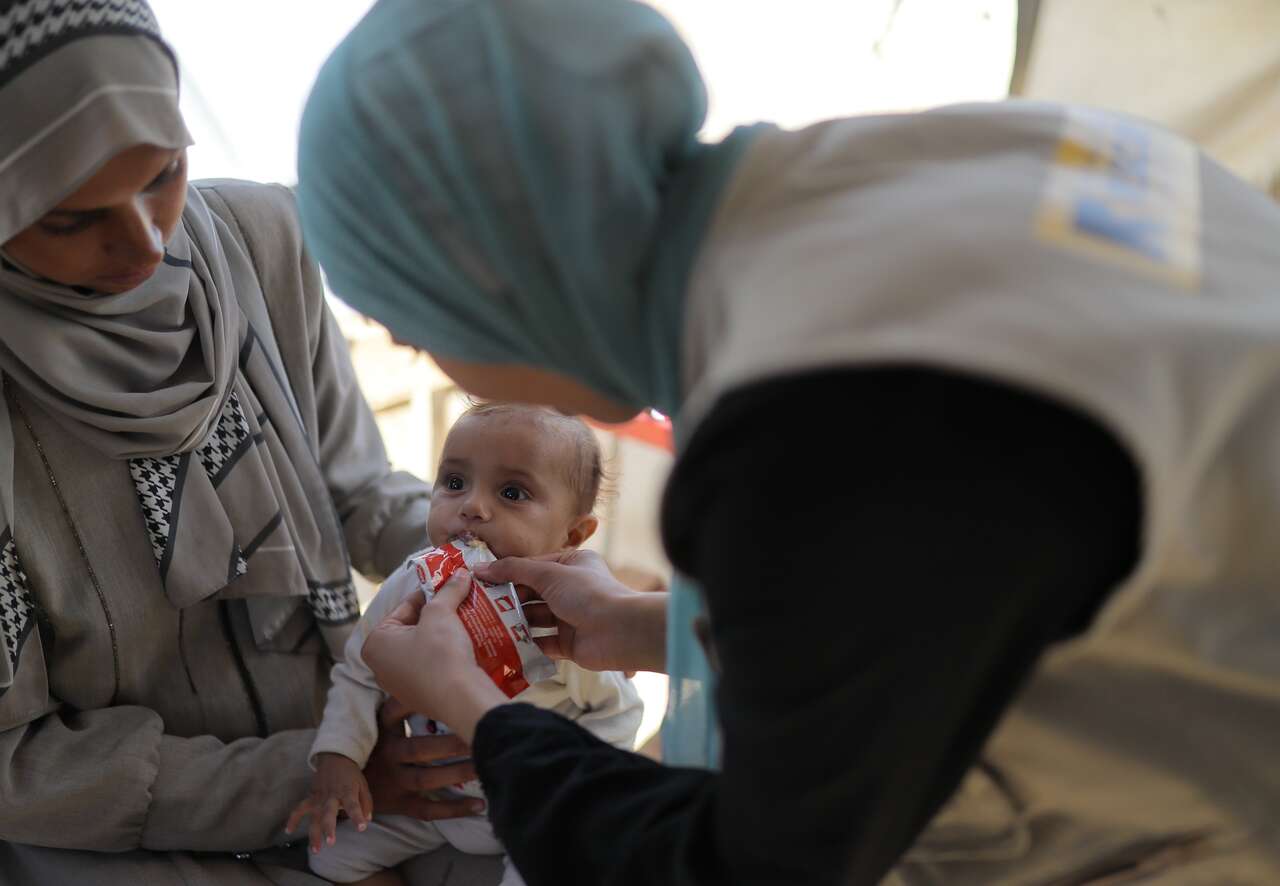
Civilians injured in the conflict and those suffering from everyday health problems are increasingly unable to access basic care. Almost half of Gaza’s 36 hospitals are even partially functional—and they’re understaffed, lacking proper medical supplies and overwhelmed with patients.
Children bear a disproportionate burden of the crisis. Beyond the immediate physical dangers, the psychological trauma of constant displacement, loss of family members and disrupted education can create lasting impacts that will affect an entire generation.

Donate today
Children are starving in Gaza. The HRI and our partners are delivering critical aid.
